
The short version
A VPS (Virtual Private Server) is a virtual server: a powerful physical machine is split into several isolated servers through virtualisation. A dedicated server is an entire physical machine that belongs to you alone. For most websites, shops and applications a VPS is enough. A dedicated server pays off with sustained high load, very large amounts of memory or special requirements for hardware and security.
Comparison at a glance
| VPS | Dedicated server | |
|---|---|---|
| Hardware | Shared, virtually isolated | Exclusive, physical |
| Performance | Guaranteed resources, more than enough for most projects | Maximum, constant performance |
| Cost | From a few euros per month | Significantly higher, but more performance per euro for large projects |
| Deployment | Minutes | Minutes to a few days |
| Scaling | Plan change possible at any time | Hardware upgrade or server change |
| Ideal for | Websites, shops, apps, development, VPN | Large databases, virtualisation, game servers, high load |
Performance: shared or exclusive?
With a VPS you get dedicated resources – for example 4 CPU cores and 8 GB RAM. But you share the physical machine underneath with other customers. Modern virtualisation separates servers cleanly, yet very CPU- or disk-heavy applications may see fluctuations.
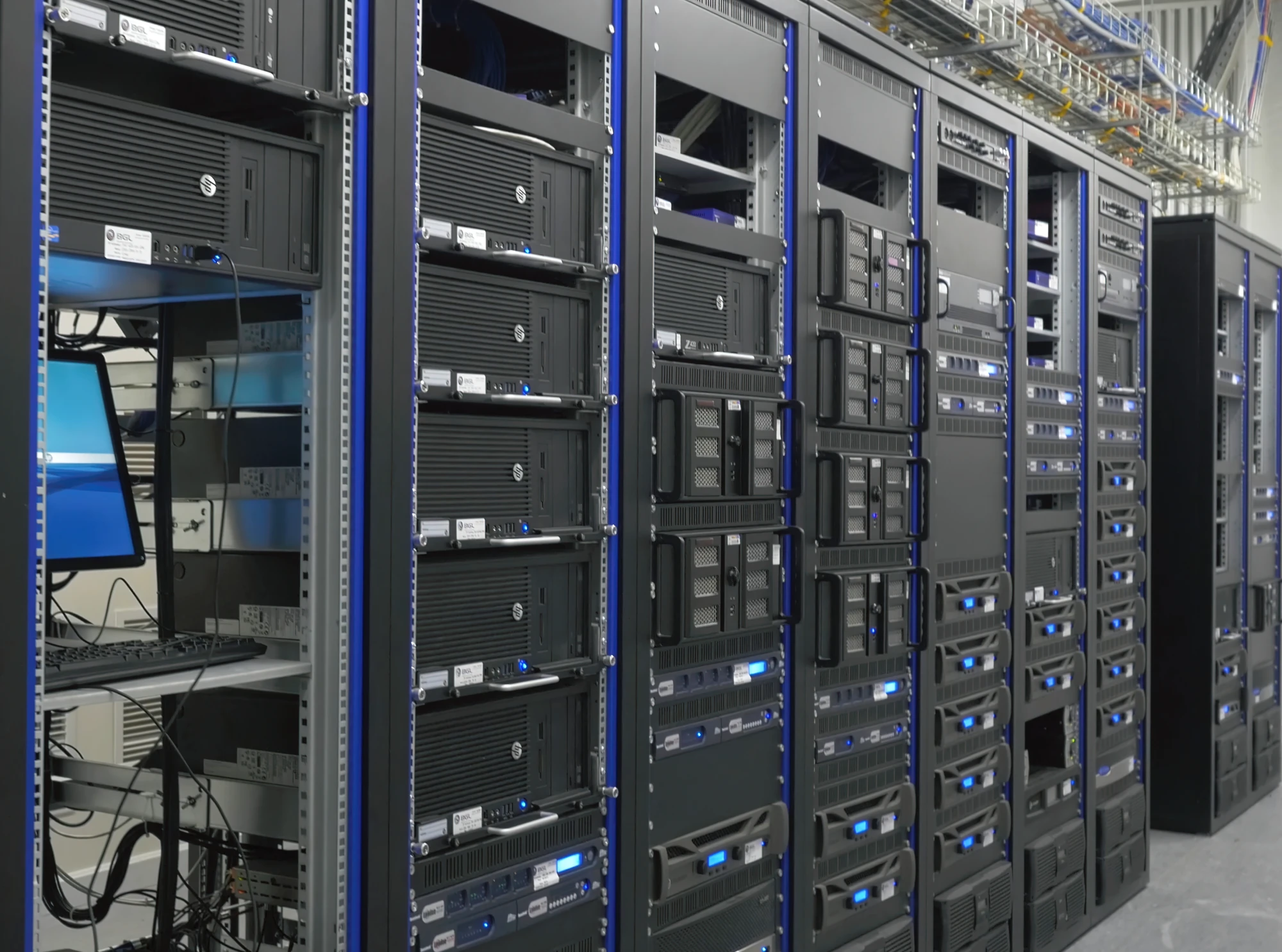
With a dedicated server there are no neighbours. All cores, all the memory and the full performance of the SSDs are available to you alone. That makes performance predictable – important for databases with many concurrent connections or game servers where every millisecond counts.
Cost: which is more economical?
A VPS is much cheaper because the hardware costs are spread across several customers. For a company website or a small shop you often pay a single- to low double-digit amount per month. A dedicated server costs more, but for large projects it often delivers more performance per euro: if you run several large VPS, a single dedicated server – possibly with your own virtualisation – is often cheaper.
Security and isolation
Both options are secure when operated correctly. A VPS is separated from other customers by virtualisation. A dedicated server adds physical separation – which can be decisive for strict compliance requirements or software licences tied to physical hardware.
Scaling: grow without moving
The big advantage of a VPS is flexibility: when things get tight, you switch to a larger plan – usually without reinstalling. A dedicated server can only be expanded with hardware upgrades or by moving to a bigger machine. That is why many projects start on a VPS and only switch to dedicated when the load really requires it.
Our recommendation
- Start with a VPS if you run a website, shop, web app or development environment.
- Choose a dedicated server if you permanently need more than about 16 CPU cores or 64 GB RAM, want to virtualise yourself, or constant performance is critical.
- For AI applications you usually need a GPU server.
Not sure? Briefly describe your project and we will honestly recommend the right solution – even if it is the cheaper one.
FAQ
Is a VPS faster than web hosting?
Usually yes, because you have guaranteed resources that you don't share with hundreds of other websites. In return you manage the server yourself – or choose a managed VPS.
Can I move from a VPS to a dedicated server?
Yes. We handle the migration for you on request – including data and configuration, with as little downtime as possible.
What is a root server?
A server to which you have full administrator (root) access. The term is used for both VPS and dedicated servers.